Affordable masonry services should not mean cutting corners on materials, preparation, or workmanship. For homeowners, property managers, and commercial property owners in Morris County, NJ, the right masonry contractor should identify the cause of deterioration, recommend practical repairs, and use materials suited to the existing structure.
Masonry services can include brick repair, stonework, mortar repointing, chimney repairs, facade restoration, masonry replacement, and other exterior work. For older properties, careful material selection is especially important because modern repair materials may not always be compatible with historic masonry.
Select Your Service Area
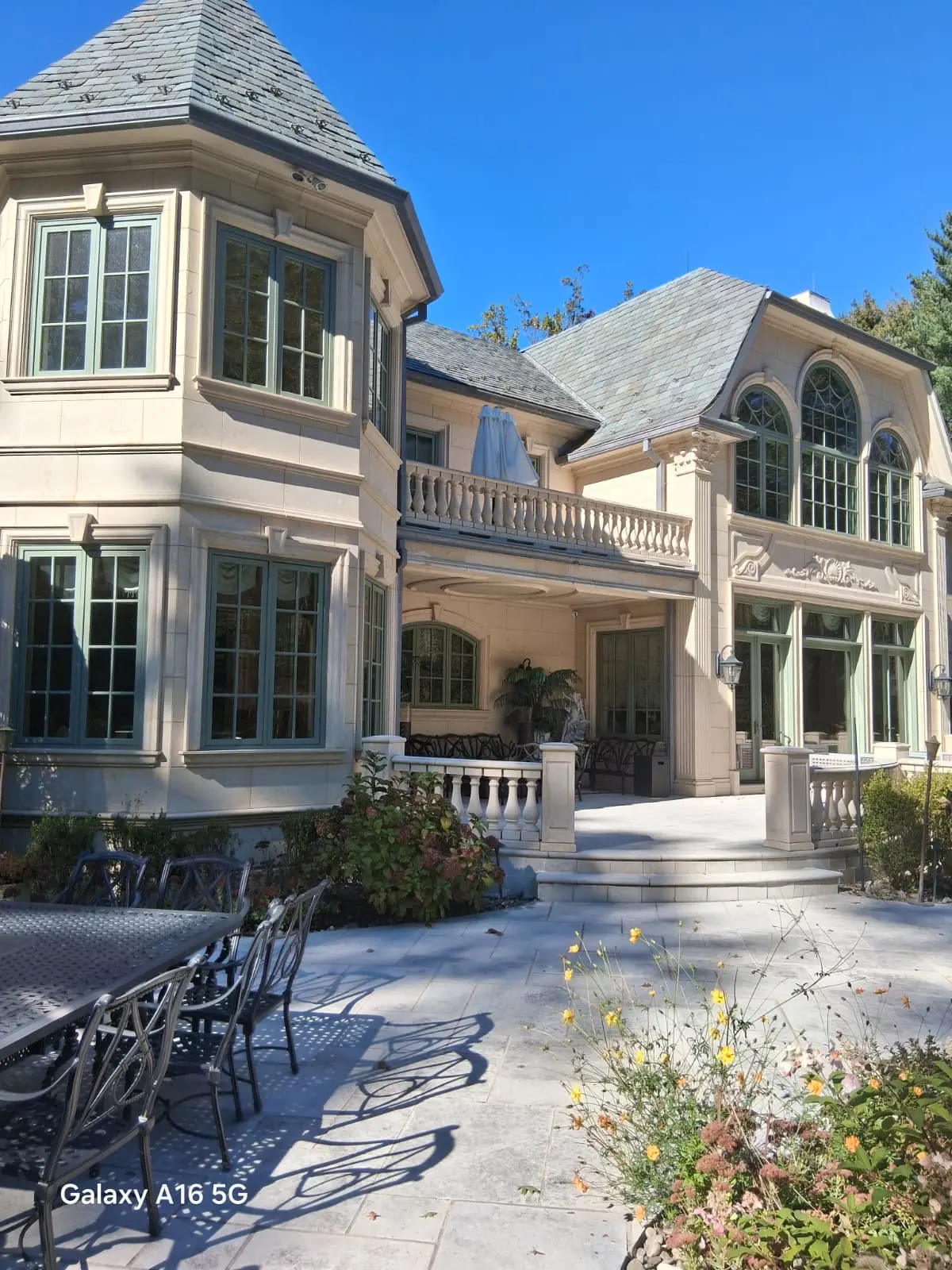
Masonry damage can begin as a relatively small issue and become more extensive when moisture enters cracks or deteriorated joints. Common signs that masonry needs attention include cracked bricks, loose or displaced stones, crumbling mortar, spalling surfaces, staining, and recurring water intrusion.
Depending on the condition of the property, masonry work may include:
An appropriate repair plan should address both the visible damage and the conditions contributing to it.
Brick repair and repointing are different services. Brick repair addresses damaged or deteriorated masonry units, while repointing replaces failing mortar within masonry joints.
The correct mortar is particularly important for older buildings. An incompatible or overly hard mortar can contribute to deterioration rather than preventing it.
Existing brick, stone, mortar, exposure, and previous repairs should be carefully considered before selecting replacement materials.
For significant restoration projects, documenting existing conditions before work begins can help establish a clear and effective repair strategy.
Morris County has an established historic preservation program and maintains information about historic sites and resources throughout the county, supported by the Morris County Historic Preservation Trust Fund.
The New Jersey Historic Preservation Office maintains county-specific listings of properties and historic districts associated with the New Jersey and National Registers. Local-only designations may also apply.
Before modifying masonry on a historic property, owners should determine whether local, state, or other preservation requirements govern the proposed exterior work.
The lowest estimate is not necessarily the most economical choice. A useful masonry proposal should explain what is damaged, what work is recommended, which materials will be used, and what preparation is required.
Clear answers help property owners compare proposals based on scope and long-term suitability rather than price alone.
A masonry contractor can repair, restore, replace, or construct brick, stone, mortar, concrete masonry, chimneys, walls, facades, and other masonry elements.
Common problems include deteriorated mortar, cracked masonry, moisture intrusion, spalling, staining, displaced materials, and damage associated with repeated exposure to weather and temperature changes.
It can be less extensive when the brick itself remains serviceable and the primary problem is deteriorated mortar. The appropriate repair depends on the condition of both the masonry units and joints.
Start with an accurate assessment and prioritize repairs based on condition and risk. Addressing water intrusion and deteriorated joints early may help prevent more extensive repairs.
Yes. Historic masonry often requires greater attention to original materials, mortar compatibility, architectural details, and applicable preservation requirements.
Yes. Morris County provides historic preservation resources and maintains information about historic properties throughout the county. Its Preservation Trust Fund supports eligible preservation projects.
The source of water should be identified as part of the repair assessment. Repairing damaged masonry without addressing an ongoing moisture problem may allow deterioration to continue.
Compare the scope of work, materials, preparation, repair methods, exclusions, and any required permits or professional services. A detailed proposal is more useful than comparing the final price alone.
Professional masonry restoration should address the source of deterioration while using materials suited to the existing structure.