Residential and commercial masonry services in Essex County, NJ, cover the repair, restoration, replacement, and construction of brick, stone, mortar, concrete masonry, chimneys, walls, facades, and other masonry features. The appropriate solution depends on the material, extent of deterioration, exposure to moisture, and the condition of the surrounding structure.
For property owners, the priority should be more than improving appearance. Proper masonry work should address the underlying cause of deterioration while preserving sound materials whenever practical.
Select Your Service Area
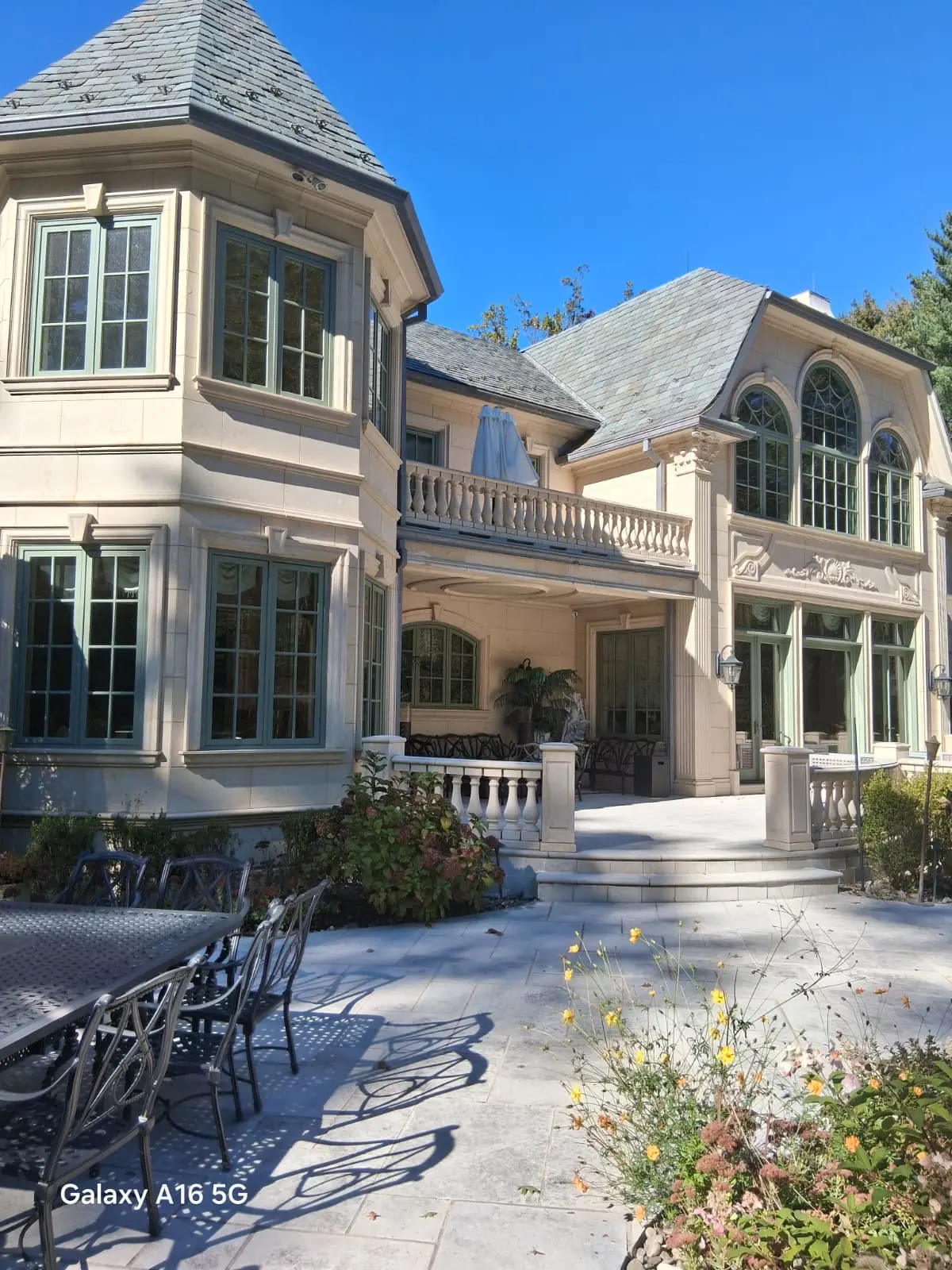
Residential masonry can experience damage from weather exposure, moisture, movement, aging mortar, impact, and poor previous repairs. Early evaluation can help determine whether a problem requires localized maintenance or more extensive restoration.
Residential masonry services may include:
A repair should be matched to the existing construction rather than treated as a one-size-fits-all project.
Commercial buildings often require masonry work that considers appearance, durability, access, occupant safety, and project coordination. Deteriorated brick, failing mortar joints, cracks, damaged stone, and facade issues should be evaluated before repairs are selected.
Restore structural integrity and exterior presentation for commercial facades, storefronts, and multi-story structures.
Swap out severely cracked, spalled, or structurally compromised bricks with accurately matched replacement units.
Carefully restore architectural stone details, sills, lintels, and decorative masonry features on commercial properties.
Remove failing mortar and install strong, compatible replacement mortar to protect against moisture penetration.
Comprehensive evaluation and structural rehabilitation of masonry walls experiencing shifting or load-bearing issues.
Address vulnerable roofline elements including parapets, copings, and commercial chimneys exposed to severe weather.
Brick repair and mortar repointing address different problems. Brick repair or replacement is appropriate when individual masonry units are cracked, spalled, severely deteriorated, or otherwise unsuitable for continued use. Repointing involves removing deteriorated mortar from masonry joints and installing compatible new mortar.
Particularly on older buildings, replacement mortar should be selected with consideration for the existing brick or stone and the construction of the building. Using an excessively hard or incompatible repair material can create additional deterioration.
Water is a common contributor to masonry deterioration. Cracked joints, failed sealants, damaged flashing, and other building-envelope problems can allow moisture to reach protected areas. Proper assessment considers drainage and moisture pathways before repairs are completed.
When comparing masonry contractors, look beyond the estimate. Ask for a clear description of the proposed repair, materials, preparation, and exclusions to ensure you understand what you are paying for.
A detailed scope makes it easier to compare different proposals fairly and select a reliable professional for your property.
Residential masonry work can include brick and stone repair, repointing, chimney repairs, retaining walls, patios, walkways, exterior walls, and masonry restoration.
Common concerns include deteriorated mortar, cracked or displaced masonry, damaged facade materials, water intrusion, spalling, and deterioration around parapets or other exposed areas.
Replacement may be considered when a brick is severely cracked, spalled, structurally compromised, or too deteriorated to provide a suitable surface for repair.
Repointing is the process of removing deteriorated mortar from masonry joints and replacing it with new mortar selected to be compatible with the existing construction.
They can address damaged joints, cracks, and other masonry-related pathways for water, but the source of moisture should be identified rather than assuming the masonry surface is the only cause.
Often, yes. Historic masonry may require additional attention to original materials, mortar compatibility, architectural details, and applicable local or state preservation requirements.
Compare the repair scope, materials, preparation, access requirements, exclusions, and proposed methods rather than choosing solely on the lowest price.
Consider an inspection when you notice loose masonry, significant cracks, crumbling mortar, spalling, recurring water entry, or visible changes in a wall or chimney.
Professional masonry work addresses the underlying cause of deterioration while preserving sound materials.