
How to Choose the Right Tile Contractor in Wayne, NJ, and Nearby Counties
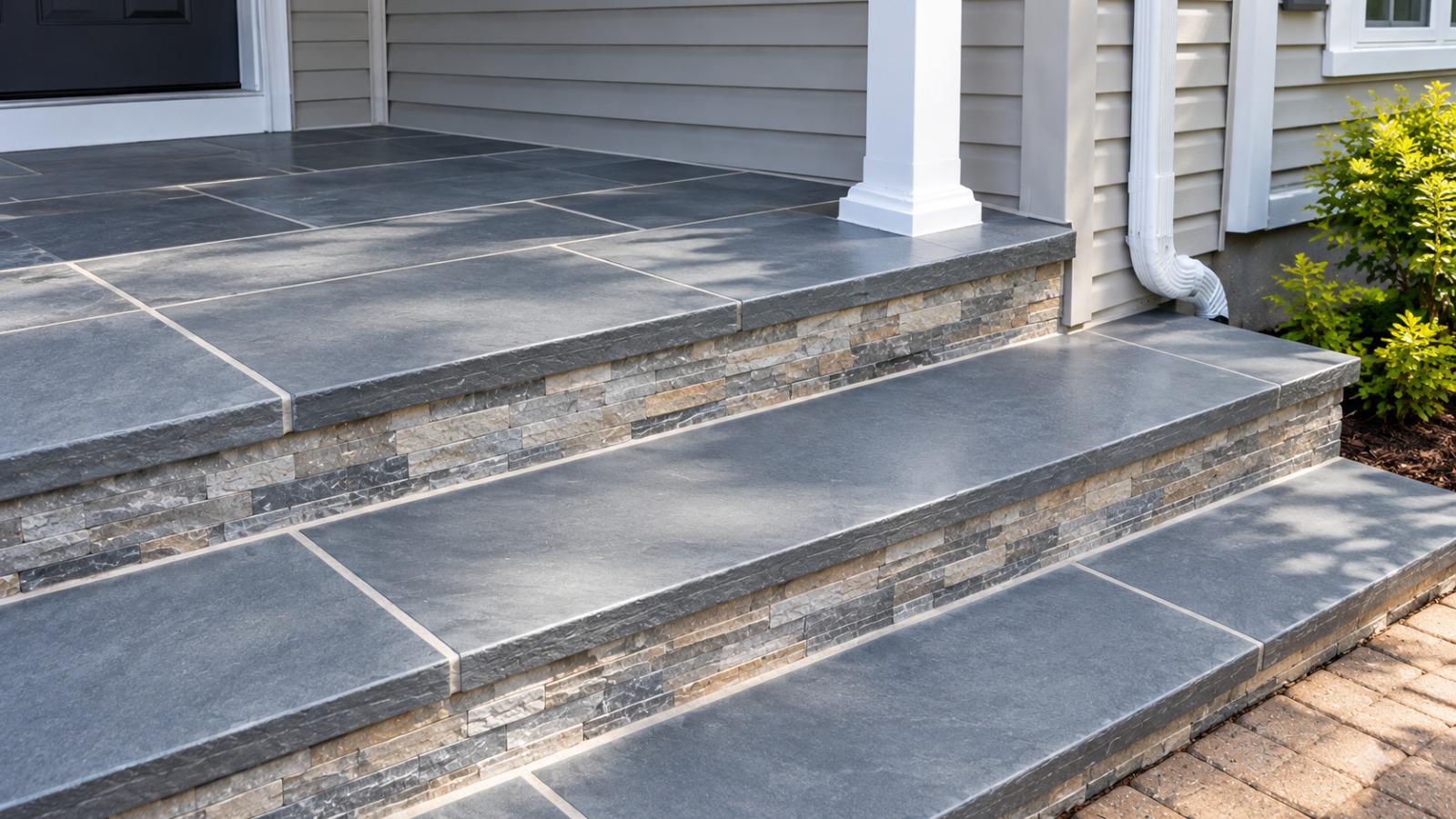
Choosing the right tile contractor in Wayne, NJ, can make the difference between a beautiful, durable installation and one that develops cracked tiles, uneven grout lines, or moisture problems. Before hiring, compare relevant experience, installation methods, project estimates, references, and warranty terms. Homeowners across Passaic, Bergen, Morris, and Essex counties should look for a contractor who understands both their design goals and the technical requirements of the space.
Table of Contents
What Does a Tile Contractor Do?
A tile contractor installs and finishes tiled surfaces in residential and commercial properties. Depending on the project, services may include floor tiling, bathroom and shower installations, kitchen backsplashes, wall tile, natural stone, and renovation work.
A qualified professional also evaluates the substrate, prepares the surface, selects appropriate setting materials, and plans grout joints and movement joints. These details matter because even premium porcelain or natural stone can fail when installed over an unstable or poorly prepared surface.
Quick answer: Choose a tile contractor who can demonstrate experience with your specific tile material and project type, explain the installation process clearly, and provide a detailed written estimate.
7 Ways to Choose the Best Tile Contractor in Wayne, NJ
1. Look for Relevant Experience
Not all tile installations require the same skills. A kitchen backsplash is different from a large-format porcelain floor or a tiled walk-in shower.
Ask to see completed projects similar to yours. If you're renovating a bathroom in Wayne or installing stone flooring in Bergen County, look for examples that demonstrate accurate cuts, consistent grout lines, clean edges, and professional finishing.
2. Review Photos, References, and Customer Feedback
A contractor's portfolio can help you evaluate workmanship, while customer reviews provide insight into communication, scheduling, and project management.
Look for consistent feedback rather than relying on one exceptionally positive or negative review. When possible, ask for references from recent customers with projects similar to yours.
3. Ask About Surface Preparation and Waterproofing
Surface preparation is one of the most important parts of tile installation. The substrate must be suitable, stable, clean, and properly prepared for the selected materials.
For showers and other wet areas, ask how the contractor plans to waterproof the assembly, treat corners and seams, and protect penetrations. Tile and grout alone do not create a complete waterproofing system.
4. Confirm Material Knowledge
Porcelain, ceramic, marble, granite, and other natural stones have different installation and maintenance requirements.
For example, some natural stones require sealing or special cleaning products, while large-format porcelain may require stricter substrate-flatness tolerances. A knowledgeable installer should explain the advantages, limitations, and care requirements of the material you select.
5. Request a Detailed Written Estimate
Compare estimates based on the scope of work, not just the final price. A useful proposal should clarify:
- Labor and installation costs.
- Tile, grout, mortar, and other materials.
- Demolition and disposal, if required.
- Subfloor repairs and surface preparation.
- Waterproofing requirements for wet areas.
- Edge finishing, transitions, and cleanup.
- Payment schedule, project timeline, and warranty terms.
Ask whether the quote includes the cost of unexpected substrate damage or whether that work would require separate approval.
6. Verify Credentials and Insurance
Before hiring a contractor, check applicable New Jersey registration requirements, business details, and insurance coverage. Ask for proof of general liability insurance and, where applicable, workers' compensation coverage.
A written contract should identify the work, materials, estimated schedule, payment terms, and process for handling changes. Clear documentation helps prevent misunderstandings once the project begins.
7. Evaluate Communication and Professionalism
Good workmanship matters, but so does a contractor's ability to keep you informed. Notice whether they answer questions directly, explain technical decisions, arrive as agreed, and communicate potential delays.
A contractor who discusses risks before work starts is generally easier to work with than someone who promises everything will be simple without inspecting the space.
How Much Does Tile Installation Cost in North Jersey?
Tile installation costs depend on the size of the area, tile material, layout complexity, and condition of the existing surface. Straightforward floor installations generally require less labor than intricate mosaics, custom shower niches, or patterns involving numerous cuts.
| Cost factor | Why it matters |
|---|---|
| Tile material | Natural stone and specialty tiles may require additional handling. |
| Project size | Larger areas affect labor and material quantities. |
| Surface preparation | Uneven floors or damaged substrates may need repairs. |
| Design complexity | Herringbone, mosaics, and detailed patterns require precise layout. |
| Waterproofing | Bathrooms and showers need appropriate moisture protection. |
| Demolition | Removing old tile and disposing of debris adds labor. |
Get at least two or three comparable written estimates. The lowest quote is not necessarily the best value if it excludes waterproofing, substrate preparation, or finishing details.
Common Tile Installation Mistakes to Avoid
Even attractive tile can disappoint when installation shortcuts compromise durability. Watch for these warning signs:
- Choosing a contractor based only on price.
- Skipping substrate preparation or leveling.
- Treating grout as a substitute for waterproofing.
- Failing to plan tile layout and edge transitions.
- Using cleaning products unsuitable for natural stone.
- Starting work without a written scope and payment schedule.
The Tile Council of North America publishes industry guidance on tile installation methods, substrates, and workmanship. Its resources can help homeowners understand the technical considerations involved in a quality installation.
Tile Maintenance Tips for Long-Lasting Results
Once installation is complete, proper care helps preserve the appearance of your investment.
- Sweep or vacuum tiled floors regularly to remove abrasive grit.
- Use a cleaner compatible with your specific tile and grout.
- Address cracked grout or loose tiles promptly.
- Follow manufacturer recommendations for sealing natural stone or grout where applicable.
- Keep bathroom ventilation working to manage excess moisture.
- Avoid harsh or acidic cleaners on acid-sensitive stone, including many marble surfaces.
Ask your contractor for care instructions before the project is finished, especially if you've selected natural stone or specialty grout.
Frequently Asked Questions
1. How do I find a reliable tile contractor in Wayne, NJ?
Start by comparing local contractors with experience in your project type. Review recent work, check customer references, confirm applicable New Jersey registration and insurance, and request written estimates. Ask specifically about surface preparation, waterproofing, and warranty coverage. A contractor who explains the installation process clearly can help you make a more informed decision.
2. Should I hire a specialist for bathroom and shower tile?
A contractor experienced in wet-area installations is a sensible choice. Shower projects require careful waterproofing, appropriate slope toward the drain, properly treated corners, and compatible installation materials. Ask the contractor to explain the complete waterproofing system rather than focusing only on the tile's appearance.
3. Is porcelain or ceramic tile better for my home?
Both materials can work well, depending on the application. Porcelain is generally dense and has low water absorption, while ceramic offers a wide range of colors, finishes, and price points. The best choice depends on the room, slip resistance, maintenance needs, budget, and manufacturer's recommendations for the intended use.
4. How long does a tile installation project take?
A simple backsplash may take a day or several days, while a bathroom renovation can take considerably longer. Demolition, substrate repairs, waterproofing, tile complexity, and required curing times all affect the schedule. Ask for a project timeline that includes preparation and drying periods rather than just the days spent setting tile.
5. What should a tile installation estimate include?
A detailed estimate should specify labor, materials, demolition, surface preparation, waterproofing where needed, grout, trim, cleanup, and payment terms. It should also explain how unforeseen damage and additional work will be handled. Comparing estimates with the same scope makes it easier to evaluate value and avoid unexpected charges.
6. Do I need to verify a tile contractor's registration in New Jersey?
For residential home improvement work, New Jersey generally requires covered contractor businesses to register unless an exemption applies. Check the contractor's current status through the New Jersey Division of Consumer Affairs. Also request proof of insurance and a written contract before work begins.
7. Does Tiles and Stones NJ serve areas outside Wayne?
Homeowners in Passaic, Bergen, Morris, and Essex counties should confirm service coverage directly with Tiles and Stones NJ. Discuss your property's location, project type, materials, and schedule to determine whether the company is the right fit for your installation.
Why Consider Tiles and Stones NJ for Your Tile Project?
Planning a tile renovation involves more than selecting a color or pattern. The installer must understand the materials, prepare the surface correctly, and pay attention to details that influence the finished result.
Tiles and Stones NJ provides a starting point for homeowners researching tile-related services in North Jersey. Before choosing a contractor, discuss your goals, preferred tile, budget, and timeline, and ask how the proposed installation will address preparation, durability, and finishing.
Whether you're considering a kitchen backsplash, a bathroom update, or new flooring, compare the company's relevant project experience and written scope of work with your expectations. Clear communication helps ensure that everyone understands the planned results and responsibilities.
Visit Tiles and Stones NJ to explore available services and contact the company to discuss your project or request an estimate.
Conclusion
Choosing the right tile contractor in Wayne, NJ, starts with checking relevant experience, reviewing completed projects, verifying credentials, and comparing detailed estimates. Homeowners across Passaic, Bergen, Morris, and Essex counties should also prioritize proper surface preparation, appropriate waterproofing, and clear communication.
A well-planned installation can improve your home's appearance while providing lasting performance. Before committing, ask the right questions, understand the proposed work, and choose a contractor whose experience and approach match your project.